
Sexual Recovery Intensives
Unwanted sexual behavior rarely responds to insight alone. It usually has roots in family-of-origin wounds and in how you learned to cope with pain. An intensive gives you time to get underneath the behavior, not just manage it.
How It Works
Unwanted sexual behavior — compulsive pornography use, infidelity, or
patterns that feel out of your control — rarely responds to insight alone. It usually has roots: in family-of-origin wounds, in how you learned to cope with pain, in patterns that go back further than the behavior itself. A Sexual Recovery Intensive gives you concentrated, uninterrupted time to get underneath the behavior — not just manage it.
Step 1
The first step is simple: let us know you’re interested by completing our Interest form. It’s ok if you aren’t 100% sure yet, you’ll have an opportunity ask any questions before committing.
Step 2
Consultation Call
Step 3
Pre-Intensive Forms
Before your intensive, you’ll complete a guided set of forms that help you put your story into words — your history, the patterns you’re caught in, and what you’re hoping will be different. This means none of your intensive time is spent catching us up; every hour goes toward the work itself.
Step 4
The Intensive
Individual Intensive:
Focused one-on-one hours with your counselor, working through the roots of the behavior, your specific triggers and cycle, and a concrete path forward.
Group Intensive:
A weekend format — Friday evening through Sunday afternoon, roughly 14 hours total — combining individual attention with structured group process among a small, closed cohort. Learning you’re not alone in this is often as important as any single insight.
Step 5
Resources, Tools & Homework
Within a few days of your intensive, you’ll receive a personalized packet: a relapse prevention plan, specific tools for your triggers, and resources tailored to what came up in your work together.
Step 6
Two-Week Follow-Up Call
About two weeks after your intensive, we’ll reconnect for a follow-up call. We’ll check in on how the homework is landing, troubleshoot anything that’s come up, and help you adjust course if needed. You won’t finish your intensive and simply be on your own to figure out the rest.
Step 7
Continuing the Work, If You'd Like To
Recovery from compulsive sexual behavior is rarely a single event. Many people continue with ongoing individual counseling, a recovery-focused support group, or accountability structures after their intensive. If you’re partnered and your spouse wants to be part of the healing process, we also offer a separate Marriage Intensive designed for couples working through betrayal and rebuilding trust together.
A Sexual Recovery Intensive may to be a good fit if you:
- Feel stuck in a pattern of sexual behavior that conflicts with your own values
- Have tried to stop on your own, or through weekly therapy, without lasting change
- Are facing a discovery, disclosure, or crisis point and need to move quickly
- Want a concentrated reset rather than an open-ended weekly process
An intensive is not a substitute for crisis intervention. If you have safety concerns for yourself or others, or a legal situation needing immediate attention, reach out first so we can find the right level of care.
Pricing
Individual
$2400
1 day · 6 hrs,
with lunch break
Private, one-on-one, at a pace built around you. Complete confidentiality.
Individual Extended
$4000
2 days · about 10 to 11 working hours
Deeper individual work across two focused days.
Group
$3500/person
Friday evening to Sunday · about 12 to 14 hours
Individual attention plus structured group process with a small cohort of 5 to 8 people doing the same work.
Includes a 10 week group therapy follow up.
No format is “more serious” than the other. They are different paths to the same depth of work, and your consultation call will help you choose.
Not sure which format would be best for you?
We’re happy to talk through the options with you.
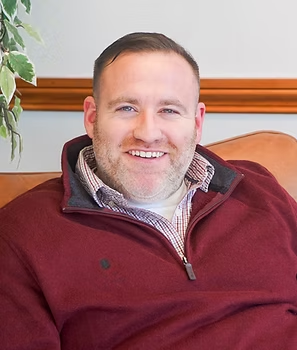
About Phil
Phil Lewis, MA, LCMHC
Dover Site Director, Senior Clinician
While originally from Massachusetts, Phil has resided in the seacoast area for the last 15 years. He earned his Bachelor’s degree from the University of New Hampshire in 2013 and his Master’s Degree in Clinical Mental Health Counseling from Liberty University. He is also working towards his national certification through the National Board of Certified Counselors. Phil worked as a youth pastor at Durham Evangelical Church for seven years prior to transitioning into the mental health field. While he enjoys working with people from all backgrounds, his main focus is helping teens and young adults, couples, families, and men. His hope is that those he works with will experience healing, transformation, and encouragement to become all they were created to be and experience all they were made to do.
Frequently Asked Questions
What is a Sexual Recovery Intensive?
What's the difference between the Individual and Group Intensive?
The Individual Intensive is entirely private, one-on-one time with your counselor, at a pace built around you.
The Group Intensive runs as a weekend format — Friday evening through Sunday afternoon, roughly 14 hours total — with a small, closed cohort of others doing
the same work, guided by your counselor, combining individual attention with group process. Both address the same core material — the difference is privacy versus shared experience. Many people find that being known by others who understand this struggle, rather than carrying it in isolation, is itself part of what heals. Your consultation call will help you decide which fits you.
Is this only for men?
No. Compulsive sexual behavior affects people of all genders.
How is this different from ongoing weekly counseling?
Will one intensive "fix" this?
What actually happens during the intensive?
Before you arrive, you’ll complete pre-intensive forms so we already understand your story. The intensive itself focuses on your specific history, triggers, and the cycle driving the behavior — not just the behavior in isolation. Afterward, you’ll receive a personalized relapse prevention plan and resource packet, and we’ll reconnect two weeks later for a follow-up call.
What if I'm not ready to talk about everything?
What if I'm partnered — does my spouse need to be involved?
Do you accept insurance?
These sessions are offered at self-pay only. Insurance plans typically do not cover marriage intensives, as they’re considered a specialized, out-of-network format rather than standard outpatient therapy.
Is there a deposit or cancellation policy?
Yes. A 50% deposit is due at the time of booking to reserve your intensive date. If helpful, we’re happy to work with you on a payment plan for the remaining balance.
If you need to cancel at least two weeks before your scheduled intensive, your deposit can be transferred toward a rescheduled date. For cancellations within two weeks of the intensive, or in the event of a no-show, the deposit will be retained to cover the time reserved for your intensive.
Can faith be part of my intensive?
Yes, if you’d like — we can integrate a Christian perspective throughout your work together, including prayer, Scripture, and a faith-informed understanding of grace and sexual integrity. This is entirely optional.
Is this appropriate if there's an active crisis — legal risk, safety concerns, or thoughts of self-harm?
What happens after the intensive?
How do we get started?
Start by completing our interest form. From there, we’ll schedule a brief consultation call to help you choose a format and make sure this is the right fit before booking your date.
Interested? Let Phil know below.
This is not an application or a commitment. Tell Phil which intensive you think might be a good fit, and he’ll reach out to talk through your options. Nothing you choose here is binding.